PHAN NGUYEN BLOG

The US asylum process has changed yet again, and it could affect how many asylum applications are reviewed in the future. In July 2026, the Department of Homeland Security (DHS) announced a new rule that changes how U.S. Citizenship and Immigration Services (USCIS) handles certain affirmative asylum cases. If you are planning to apply for asylum or already have an application pending, it is important to understand what these changes could mean for your case. There are two main ways a person can apply for asylum in the United States: affirmative asylum and defensive asylum. Affirmative asylum is for people who are not currently in removal (deportation) proceedings and voluntarily apply for protection by filing Form I-589 with USCIS. Defensive asylum, on the other hand, is requested as a defense against removal after the government has already placed someone in immigration court. In a defensive asylum case, an immigration judge— not USCIS— decides whether the applicant qualifies for asylum. For many years, people who filed an affirmative asylum application with USCIS could generally expect to attend an interview with an asylum officer. During the interview, applicants had the opportunity to explain why they feared returning to their home country, answer questions about their application, and provide additional clarification if needed. Under the new rule , USCIS may now refer certain affirmative asylum cases directly to the immigration court without first allowing them to have an asylum interview. Instead of meeting with the applicant, an asylum officer may review the written application and supporting evidence before deciding whether the case should be seen by an immigration judge. Applicants whose cases are referred will still have the opportunity to present their claims in immigration court, but they may no longer receive the initial interview that many asylum seekers have relied on as an important part of the process. Your Written Application Matters More Than Ever One of the biggest effects of this change is that the written asylum application may now play an even greater role in determining what happens next. If an interview is not conducted, the information contained in the Form I-589 and the supporting documentation may be the only materials reviewed before a decision is made to refer the case to immigration court. For that reason, applicants should take extra care to ensure their application is complete, accurate, and supported by strong evidence. Personal declarations, country condition reports, medical records when applicable, witness statements, and other documentation can all help provide a clearer picture of why an applicant fears returning to their home country. Preparing a thorough application from the beginning may become increasingly important as USCIS implements these procedural changes. Although the new rule changes part of the process, it does not eliminate the right to seek asylum. Applicants who are referred to immigration court will still have the opportunity to present evidence and testify before an immigration judge. Changes to immigration procedures can make an already stressful process feel even more overwhelming. Our office works closely with individuals and families to prepare thorough, well-supported immigration applications and advocate for their rights throughout the process. If you have questions about your asylum case or another immigration matter, we are here to help you understand your options and move forward with confidence. Disclaimer: This is not legal advice. The information provided is for general informational purposes only. Immigration laws and enforcement priorities can change rapidly. For advice specific to your situation, please consult with a licensed immigration attorney at the Law Office of Phan Nguyen — call 469-465-2344 or visit nguyen-legal.com.

The U.S. Department of Homeland Security (DHS) has finalized one of the most significant changes to the student visa system in decades. Beginning September 15, 2026, international students entering the US on F-1 visas will face new rules governing how long they may remain in the country, when they must seek government approval to continue their studies, and what they can do after completing their academic programs. While these changes do not eliminate the F-1 student visa, they create additional requirements that students and schools should understand before planning long-term studies in the US. For nearly 50 years, most F-1 students were admitted to the US under a system known as "Duration of Status" (D/S). Instead of receiving a specific expiration date on their admission, students could remain in the US for as long as they maintained valid F-1 status by remaining enrolled full-time and complying with immigration regulations— under the new rules, this system is ending. Instead of an open-ended admission period, students will now receive an I-94 admission record with a specific expiration date tied to the length of their academic program, up to a maximum admission period of four years at one time. Is There Now a Four-Year Limit? Not exactly. Students will generally be admitted for the expected length of their program, but no single admission period may exceed four years. Students enrolled in programs that normally last longer than four years— such as doctoral, medical, or other graduate programs— may continue studying beyond four years, but they must apply to U.S. Citizenship and Immigration Services (USCIS) for an Extension of Stay before their authorized admission expires. Previously, these students could simply continue their studies while maintaining status through their school. Failing to request an extension before the admission period expires could make a student out of status. Less Time to Leave the United States After Graduation The new rule also shortens the grace period after completing a program. Previously, most F-1 students had 60 days to prepare for departure, transfer schools, or begin another authorized immigration process after graduation. Beginning September 15, 2026, that grace period will be reduced to 30 days, giving graduates significantly less time to make important immigration decisions. Students planning Optional Practical Training (OPT), transferring to another school, or changing to another immigration status should plan well in advance. The new rule represents a major shift in how the US manages international student visas. Although students may still pursue longer academic programs, many will now face additional government filings, closer federal oversight, and shorter deadlines after graduation. Immigration rules can have long-term consequences; students should stay informed and seek legal guidance whenever questions arise. Careful planning can help ensure that educational goals are not interrupted by avoidable immigration issues. Disclaimer: This is not legal advice. The information provided is for general informational purposes only. Immigration laws and enforcement priorities can change rapidly. For advice specific to your situation, please consult with a licensed immigration attorney at the Law Office of Phan Nguyen — call 469-465-2344 or visit nguyen-legal.com.

The Violence Against Women Act (VAWA) provides important immigration protections for certain survivors of domestic violence, battery, and extreme cruelty. Despite its name, VAWA immigration protections are also available to qualifying men, women, and children. VAWA allows certain abused spouses and children of U.S. citizens or lawful permanent residents, as well as certain abused parents of U.S. citizens, to file a self-petition for immigration benefits without relying on the abusive family member to sponsor or participate in the case. The abuse does not necessarily have to involve physical violence. Depending on the circumstances, USCIS may consider evidence of battery or extreme cruelty, including emotional, psychological, sexual, or other forms of abuse. These cases are also subject to special confidentiality protections designed to protect survivors from further harm or retaliation. For eligible survivors, VAWA can provide a way to pursue immigration status independently from an abusive family member. In some circumstances, applicants may also be eligible to pursue a green card and other immigration benefits. The abuser does not have to be arrested, convicted, or sent to prison for someone to qualify. VAWA is an immigration case, not a criminal prosecution. The goal is not to prove that the abuser committed a crime beyond a reasonable doubt, instead, the applicant must prove to USCIS, by a preponderance of the evidence, that they meet the requirements for relief. What are the requirements for relief? For a involving a spouse, the applicant generally must show that they are or were legally married to a US citizen or lawful permanent resident, that the marriage was entered into in good faith rather than solely for immigration purposes, and that they lived with the spouse. The applicant must also establish that they were subjected to battery or extreme cruelty during the relationship; this does not necessarily mean that the abuser physically assaulted them. A common way survivors document abuse is through a personal statement describing what happened in detail, including specific incidents, threats, controlling behavior, and the effect the abuse had on them. USCIS's current guidance specifically identifies psychological evaluations prepared by qualified mental-health professionals as evidence that can demonstrate battery or extreme cruelty. If the applicant is still living with or under the control of the abuser, that does not prevent them from filing a VAWA petition, USCIS does not notify the abuser that a petition has been filed. If receiving immigration mail at home could put the applicant at risk, the current Form I-360 instructions allow a VAWA self-petitioner to provide an alternate or safe address, such as the address of an attorney, trusted person, or community organization. Regardless of these safeguards, filing a VAWA petition while still living with the abuser requires careful planning. Immigration cases involving abuse can be complicated, particularly when there are questions about eligibility, prior immigration history, criminal records, or other potential immigration issues. If you or someone you know has experienced domestic violence and is concerned about their immigration status, contact our office today to schedule a consultation. You do not have to navigate the immigration process alone. Disclaimer: This is not legal advice. The information provided is for general informational purposes only. Immigration laws and enforcement priorities can change rapidly. For advice specific to your situation, please consult with a licensed immigration attorney at the Law Office of Phan Nguyen — call 469-465-2344 or visit nguyen-legal.com.

Being found inadmissible doesn’t always mean that a person is permanently barred from the US. In some situations, U.S. immigration law allows a person to request a waiver of inadmissibility, which allows the person to pursue an immigration benefit. This waiver is largely discretionary and not available for every immigration violation; additionally, qualifying for one does not guarantee approval. The type of waiver available depends on the specific ground of inadmissibility and the applicant’s circumstances. What Does “Inadmissible” Mean? Inadmissibility refers to certain circumstances that can prevent a person from being admitted to the US, or, in some cases, from obtaining lawful permanent resident status. They include certain criminal offenses, fraud or misrepresentation, unlawful presence, health-related grounds, and other circumstances. For example, a person who accrued certain periods of unlawful presence in the US and later leaves the country may trigger a three- or ten-year bar. A person who used fraud or misrepresented a fact to obtain an immigration benefit may also be inadmissible. A waiver is essentially a request for the government to excuse a particular ground of inadmissibility. For most waivers, the applicant must demonstrate “extreme hardship” to a qualifying relative who is a US citizen or lawful permanent resident. USCIS explains that extreme hardship must generally involve more than the ordinary difficulties that result from family separation or relocation. The exact requirements, however, depend on the particular waiver. What Is “Extreme Hardship”? Extreme hardship is one of the most important concepts in many waiver cases. Simply making an unsupported statement that a family member will suffer is generally not enough. Importantly, USCIS does not evaluate hardship based on a single factor. Officers are instructed to consider the totality of the circumstances and evaluate the hardships cumulatively. Depending on the circumstances, relevant evidence may include medical conditions, financial circumstances, family ties, country conditions, educational considerations, psychological or emotional effects, and the availability of necessary care or support if a qualifying relative were to relocate. For example, ordinary separation from a spouse is not considered extreme hardship; however, separation combined with serious medical conditions, significant financial dependence, and other documented circumstances could potentially create a much stronger case. Depending on the case, evidence might include medical records, physicians' letters, psychological evaluations, financial documentation, employment records, school records, affidavits, evidence of family relationships, and documentation concerning conditions in the country of relocation. A waiver of inadmissibility is not a blanket pardon for immigration violations. The first step is determining what ground of inadmissibility applies and whether a waiver is available for that ground. For people facing a potential inadmissibility bar, understanding whether a waiver is available can be critical. Working with an experienced immigration attorney can help you better understand immigration history, family circumstances, and the specific ground of inadmissibility to help determine what options may be available. Disclaimer: This is not legal advice. The information provided is for general informational purposes only. Immigration laws and enforcement priorities can change rapidly. For advice specific to your situation, please consult with a licensed immigration attorney at the Law Office of Phan Nguyen — call 469-465-2344 or visit nguyen-legal.com.
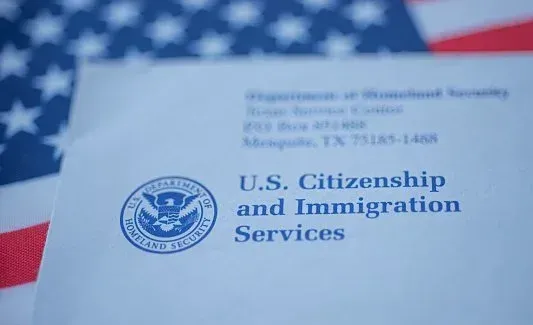
For years, advance parole has been an important tool for immigrants who need to travel outside the US while their case is pending. In many situations, a person with a pending application could obtain advance parole to travel abroad, and return to the United States without the trip itself triggering certain immigration penalties. A recent decision from the Board of Immigration Appeals (BIA), however, has changed an important part of that analysis. In Matter of DelCarmen-Lara, 29 I&N Dec. 830 (BIA 2026), the BIA held that leaving the US with advance parole can count as a “departure” for purposes of the unlawful-presence bars under the Immigration and Nationality Act. The decision applied the plain language definition of the term “departure” and overruled an earlier BIA decision that had provided greater protection to certain immigrants who temporarily traveled using advance parole. What is Advance Parole Intended for? Advance parole generally allows certain noncitizens to request permission to return to the US after traveling abroad while an immigration application or other similar process is pending. For example, a person with a pending adjustment-of-status application may apply for advance parole before traveling internationally to visit family. Without the appropriate travel authorization, leaving the country can have serious consequences that may include the disqualification of your application. Advance parole has never been a guarantee that a person will face no immigration consequences from traveling. Under INA § 212(a)(9)(B), a person who has accumulated more than 180 days of unlawful presence may become subject to a three-year bar after departing the United States. A person who has accumulated one year or more of unlawful presence may face a ten-year bar. Previously, the BIA's decision in Matter of Arrabally and Yerrabelly provided an important exception for certain people traveling on advance parole. Under that decision, a temporary departure pursuant to advance parole generally did not count as a “departure” for purposes of the three- and ten-year unlawful-presence bars. This meant that some immigrants who had accrued unlawful presence could travel using advance parole without triggering those particular bars simply because they left the country. DelCarmen-Lara changed that rule. The BIA concluded that a departure pursuant to advance parole is still a “departure” under INA § 212(a)(9)(B). As a result, people who have accrued enough unlawful presence may now face the three- or ten-year bar even if they left the US after obtaining advance parole. This does not mean that advance parole is no longer useful, it can still be extremely important for people who are eligible to use it. What has changed is the assumption that advance parole automatically protects a person from the consequences of leaving the US. For someone with a history of unlawful presence, international travel may now require much more careful consideration. The person's immigration history, the amount of unlawful presence they accumulated, whether they have a prior removal order, and the type of immigration benefit they are pursuing can all affect the analysis. For this reason, obtaining advance parole should not be viewed as the end of the travel analysis. A person who has accrued significant unlawful presence or has previously been in removal proceedings should understand what could happen after leaving the US before making travel plans. Matter of DelCarmen-Lara is an important reminder that having permission to travel and being protected from every immigration consequence of traveling are two different things. Advance parole may still provide a valuable pathway for eligible immigrants, but whether it is safe to use depends on the individual's circumstances. Before traveling internationally, people with complicated immigration histories should consider speaking with an experienced immigration attorney about the potential consequences of leaving the US and how they can prepare before they leave. Disclaimer: This is not legal advice. The information provided is for general informational purposes only. Immigration laws and enforcement priorities can change rapidly. For advice specific to your situation, please consult with a licensed immigration attorney at the Law Office of Phan Nguyen — call 469-465-2344 or visit nguyen-legal.com.

Asylum has played a large role in the immigration process for decades, and it has provided safety for millions of people, but with recent changes to immigration policy, many people are left wondering if this option is still available to them. One of the most controversial policies issued last year is the “fast track” denial policy. Under the policy, if a judge decides that a Form I-589 is legally incomplete or insufficient, the case can be denied without a hearing. In the past, people had the ability to correct mistakes, but now an error can lead to deportation without a review of evidence. Since hearings are not guaranteed, it is important that you ensure the correctness of your information, as immigration processes often run on strict deadlines, and even the smallest delay may harm your case. How to Qualify? Before you submit your application, you must not only confirm that you are eligible for asylum, but also be able to prove that you are. Since asylum offers a direct path to citizenship, these applications are looked at very closely, and these are the qualifications: You must be within the US when you submit your application File Form I-589, within 1 year of arriving in the US, there is a $100 non-waivable fee Provide evidence of well-founded fear of persecution Not all forms of persecution qualify for asylum— only those falling within these protected categories: race, religion, nationality, political opinion, and membership in a particular social group. While most categories are self-explanatory, proving that you are a part of a “particular social group” (PSG) requires 3 characteristics: A shared trait they can't change. Everyone in the group has something in common that's either unchangeable (like where they're from or who their family is) or so personal that no one should be forced to change (like their sexuality). The group has clear boundaries. "People who've been threatened" is too vague — almost anyone could fit. "Women from a specific village who face forced marriage" is specific enough to have real edges. Other people in their country actually see them as a group. It's not enough that the applicant thinks of themselves as part of a group — their own society has to recognize that group as real and distinct, whether through laws, culture, or social norms. If you are a part of a qualifying category, you also need to show one of two things: either that you were already harmed in your home country, or that you have reason to believe you will be harmed if you go back. If something already happened to you, this is a strong starting point because the law assumes the danger is still there, and it's then up to the government to argue otherwise. If nothing has happened yet but you're afraid it will, you don't need to prove it's guaranteed to happen—you just need to show there's a realistic chance it could. But your fear can't just be a feeling. You need to be able to point to real-world reasons — things happening in your country, to people like you — that back it up. The persecution also has to come from the right source — either your government directly, or from a group that your government is unwilling or unable to stop. Asylum Disqualifications and Bans While the qualifications are important, you should also keep in mind the disqualifying factors: You participated in persecuting others based on race, religion, nationality, political opinion, or membership in a particular social group. You have been convicted of a particularly serious crime, including any aggravated felony. You are considered a threat to national security or have ties to a terrorist organization. You were already offered permanent safety in another country before coming to the US. You are subject to a third-country removal agreement, meaning the US can send you to another country to have your claim processed there instead, where you would then need to prove you'd be in danger there too. The third-country removal agreements were introduced in 2025 and are formally known as an Asylum Cooperative Agreement (ACA). This is essentially a deal the US makes with another country where that country agrees to take in asylum seekers and process their claims instead of the US doing it. So if you traveled through or have a connection to one of those countries on your way to the US, the US government can say "that country will handle your case" and send you there rather than letting you apply here. You don't have to have lived there or have any real ties to it — just being subject to the agreement can be enough. The catch is that once you're sent there, you'd have to start the asylum process all over again in that country. And if you want to argue against being sent, you'd have to prove that you'd face danger in that third country specifically — not just in your home country. The BIA confirmed in a 2025 ruling that immigration judges can dismiss an asylum application outright if an ACA applies and the applicant can't show they'd be at risk in the third country — even if their original claim against their home country is strong. There are also 39 country-wide asylum application processing pauses with two tiers: countries with a full ban (all nonimmigrant and immigrant visa categories are fully suspended) and countries with a partial ban (suspension covers B-1/B-2 visitor visas, F, M, and J student and exchange visitor visas, and all immigrant visas — but other nonimmigrant categories like work visas (H-1B, L-1, O-1) remain available). As of March 30, 2026, USCIS lifted the processing hold for asylum seekers from "non-high-risk countries," but has not publicly defined which countries count as "high-risk" or provided any written guidance. Full ban: Afghanistan, Burma (Myanmar), Burkina Faso, Chad, Republic of the Congo, Equatorial Guinea, Eritrea, Haiti, Iran, Laos, Libya, Mali, Niger, Sierra Leone, Somalia, South Sudan, Sudan, Syria, and Yemen — anyone traveling on Palestinian documents. Partial ban: Angola, Antigua and Barbuda, Benin, Burundi, Côte d'Ivoire, Cuba, Dominica, Gabon, The Gambia, Malawi, Mauritania, Nigeria, Senegal, Tanzania, Togo, Tonga, Venezuela, Zambia, and Zimbabwe — plus Turkmenistan. A single incomplete form, a missed deadline, or an unexpected policy change can derail a case that might otherwise succeed — and with hearings no longer guaranteed, there may not be a second chance to get it right. Whether you're just beginning the process or have a case already in motion, working with an experienced immigration attorney can help you understand where you stand and give your case the best possible chance of moving forward. Call the Law Office of Phan Nguyen at 469-465-2344. We are here Monday through Friday, 9:00 AM to 6:00 PM. You can also visit us at nguyen-legal.com to book a consultation. You don't have to face this alone. We are here for you. Disclaimer: This is not legal advice. The information provided is for general informational purposes only. Immigration laws and enforcement priorities can change rapidly. For advice specific to your situation, please consult with a licensed immigration attorney at the Law Office of Phan Nguyen — call 469-465-2344 or visit nguyen-legal.com.
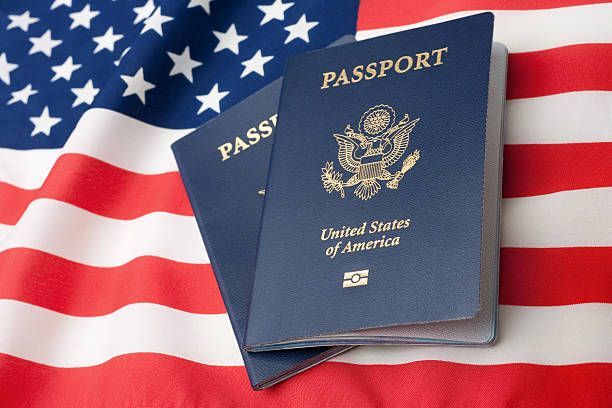
In 1996, the federal government passed the Personal Responsibility and Work Opportunity Reconciliation Act (PRWORA). While this law has been in place for around 30 years, it has rarely ever been enforced. To apply for a US passport, you must pay any outstanding child support payments, and if you owe more than $2,500, federal regulations do not allow you to be issued a passport. Additionally, they may revoke your valid passport. According to the US Department of State , “A revoked passport may no longer be used for travel even if child support debt has been paid.” Before 2026, the government mostly blocked new passports or renewals, but now they are actively revoking valid passports. While anyone owing over $2,500 is at risk, the department told The Associated Press that the revocations, which began on May 8th, would be focused on those who owe $100,000 or more. They are choosing to focus on those with a high amount overdue while they continue to collect the data for individuals who owe over $2,500. They have not released a statement on when this expansion of enforcement will begin. The department will send passport revocation notices directly to the passport holder by email or by mail using the address listed on their most recent passport application. Once you have paid all of your outstanding child support, it's also important to note that it may take at least 2-3 weeks before the Department of Health and Human Services (HHS) removes your name from its records and allows you to be eligible for a new passport. If you are not in the US but received a notification that your US passport has been revoked, you should contact the state where you owe child support to pay your debt and look for the nearest US embassy or consulate for passport application procedures. At that time, you will only be eligible for a limited passport for direct return to the US until HHS verifies the repayment of your debt. According to the Office of Child Support Enforcement (OCSE) , even if a parent lowers their child support debt below $2,500, the state does not automatically have to remove them from the passport denial program. Each state has its own rules for deciding when someone can be removed. Some states may allow payment plans, while others may require a larger payment or the full balance to be paid first. A parent is usually removed from the program once the overdue balance is fully paid off or the state asks for the case to be withdrawn, and only the state that reported the debt can request removal. If multiple states reported the same parent, every state involved must agree to remove the case. As the federal government expands enforcement efforts, individuals with unpaid child support should be aware that passport restrictions are no longer limited to new applications or renewals. Revocation of existing passports is now being actively pursued, and resolving these issues may require coordination with multiple state agencies and federal departments. These situations can affect international travel, immigration matters, and the ability to return to the US, so it is important to address any outstanding issues as soon as possible. If you are dealing with passport revocations or related immigration concerns and are unsure of what your options are, it would be best to consult with an experienced immigration attorney who can explain your options. Call the Law Office of Phan Nguyen at 469-465-2344. We are here Monday through Friday, 9:00 AM to 6:00 PM. You can also visit us at nguyen-legal.com to book a consultation. You don't have to face this alone. We are here for you. Disclaimer: This is not legal advice. The information provided is for general informational purposes only. Immigration laws and enforcement priorities can change rapidly. For advice specific to your situation, please consult with a licensed immigration attorney at the Law Office of Phan Nguyen — call 469-465-2344 or visit nguyen-legal.com.

The fundamental concept behind the writ of habeas corpus has existed for centuries, with many tracing its origins to the Magna Carta. The threat of unlawful imprisonment has long been a concern of citizens subject to government authority. Similarly, the US adopted habeas corpus as a constitutional safeguard against arbitrary detention. Historically, habeas corpus has been used to challenge imprisonment without trial, and while it is still used for that today, its use has expanded to include challenges to immigration detention and deportation-related custody. Who qualifies for habeas corpus? Any person who is being detained or restrained may seek habeas corpus relief if they believe the detention is unlawful and it is not limited to U.S. citizens; noncitizens, like immigrants in detention facilities, may also file habeas petitions. Immigration habeas petitions are generally filed under 28 U.S.C. § 2241 and are most commonly used when detention becomes prolonged or when the government allegedly lacks authority to continue holding the person. There is no strict minimum amount of time a person must remain detained before filing a habeas petition. Technically, a detainee may seek habeas relief as soon as they believe the detention is unlawful; however, in practice, federal courts are more likely to seriously consider habeas relief when detention has become prolonged, especially where the detainee has not received a bond hearing or where removal is not reasonably foreseeable. In immigration cases, courts often begin criticizing detention more closely after approximately six months of custody, especially in cases where a final order has already been issued. How does the Vietnamese repatriation agreement factor into this? For many Vietnamese immigrants— particularly those who arrived in the US before July 12, 1995— the US faced major obstacles deporting them because of the 2008 Vietnam Repatriation Agreement. Under that agreement, Vietnam refused to accept deportees who entered the US before diplomatic normalization in 1995. The issue became more complicated after a 2020 memorandum between the United States and Vietnam created a process allowing Vietnam to consider accepting some pre-1995 arrivals for repatriation. However, deportation still often depends on Vietnam’s discretionary approval and issuance of travel documents. As a result, habeas corpus remains important because even after the 2020 agreement, Vietnam has refused or delayed travel documents often leaving Vietnamese people detained for unforeseeable periods of time. Unlike prison sentences in criminal cases, immigration detention is not supposed to punish a person, but instead to make sure they appear for immigration proceedings and can be deported if necessary. Because of this, when the government cannot realistically deport someone within a reasonable amount of time, keeping them detained for long periods raises serious justice and constitutional concerns. Habeas corpus therefore serves as an important legal tool that allows detained immigrants to challenge prolonged detention and require the government to explain why continued detention is justified. For many Vietnamese immigrants facing delayed or uncertain repatriation, habeas petitions have become an important safeguard against being held for an indefinite amount of time when deportation may not actually be possible. These cases are highly fact-specific and involve both immigration law and federal court procedure, so speaking with an immigration attorney can help clarify whether habeas relief is appropriate for your case and what your best course of action may be. Call the Law Office of Phan Nguyen at 469-465-2344. We are here Monday through Friday, 9:00 AM to 6:00 PM. You can also visit us at nguyen-legal.com to book a consultation. You don't have to face this alone. We are here for you. Disclaimer: This is not legal advice. The information provided is for general informational purposes only. Immigration laws and enforcement priorities can change rapidly. For advice specific to your situation, please consult with a licensed immigration attorney at the Law Office of Phan Nguyen — call 469-465-2344 or visit nguyen-legal.com.
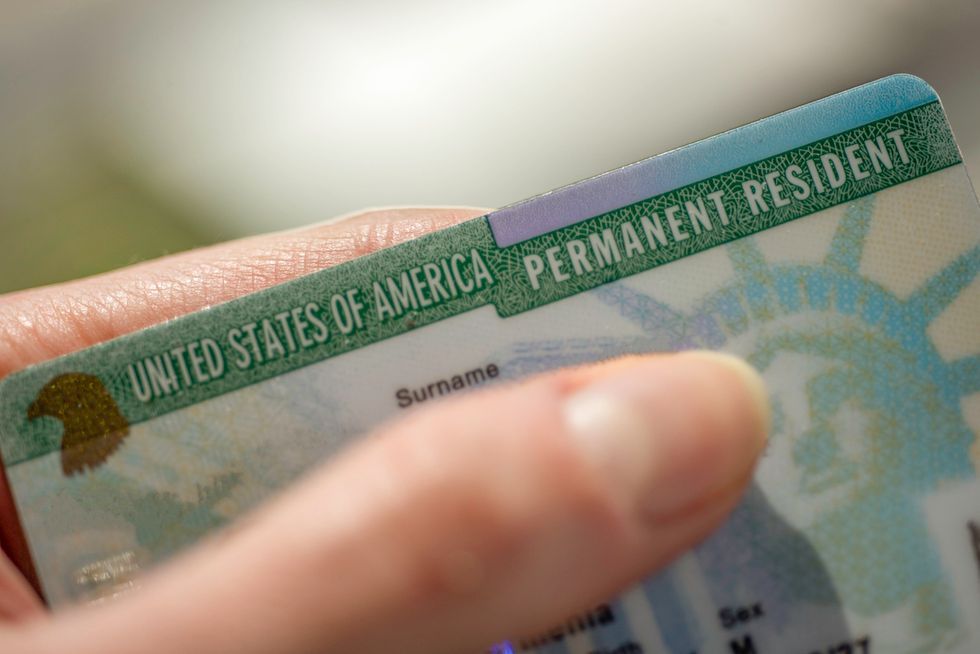
Dated May 21, 2026, the US Department of Homeland Security (DHS) sent out a policy memo to US Citizenship and Immigration Services (USCIS) immigration officers about a change in how green card applications will be processed. In an official statement published on the USCIS website , the agency explained that individuals seeking “adjustment of status must do so through consular processing via the Department of State outside of the country.” This change is likely to affect the majority of people looking to adjust their status, including family-based applicants (spouses, parents, children of US citizens/LPRs), employment-based applicants (H-1B, PERM-based green cards, etc.), and students or graduates transitioning to a work visa. The USCIS statement says, “Nonimmigrants, like students, temporary workers, or people on tourist visas, come to the U.S. for a short time and for a specific purpose. Our system is designed for them to leave when their visit is over.” Despite this claim, INA § 245(a) / 8 U.S.C. § 1255(a) , states that “The status of an alien who was inspected and admitted or paroled into the United States … may be adjusted … to that of an alien lawfully admitted for permanent residence if … the alien makes an application for such adjustment.” Adjustment of Status and Consular Processing While both processes lead to lawful permanent residence, they hold major differences that you should keep in mind with this new policy change. Adjustment of status allows applicants who are already inside the US to apply for a green card without leaving the country. During the process, many applicants can remain with their families, continue working using employment authorization, and avoid the uncertainty of international travel. On the other hand, consular processing requires applicants to complete their immigrant visa interviews at a US embassy or consulate overseas before returning to the US as permanent residents. This often means leaving the country for weeks or months while the case is processed. Under the new policy, green cards would be issued to people within the US only in “extraordinary circumstances” that largely rely on immigration officers' discretion. Consular processing can create serious risks related to unlawful presence because leaving the US is what triggers the legal penalties. If someone has stayed in the US without a valid status for more than 180 days or more than one year, departing for a visa interview abroad can activate a 3-year or 10-year bar on returning. This means a person who might otherwise qualify for a green card could suddenly be blocked from coming back after they leave. Once an applicant leaves the US for their immigrant visa interview, they generally cannot return until the case has been approved. If there are delays like missing documents, security checks, or consular backlogs, the person may be forced to stay outside of the US for an unpredictable amount of time. This policy is being treated as effective immediately and applies to pending and future cases unless an exception is granted. Under this framework, there are a lot of questions about who will still qualify to adjust status inside the US and who will be required to go through consular processing. These decisions often depend on individual details like how someone entered the US, how long they have been here, and whether they have ever fallen out of status, which can vary widely from case to case. Given how fact-specific these cases can be and how much they can affect a person’s ability to stay with their family or remain in the US, it is often important to get advice from an immigration attorney before making decisions about how to move forward. Call the Law Office of Phan Nguyen at 469-465-2344. We are here Monday through Friday, 9:00 AM to 6:00 PM. You can also visit us at nguyen-legal.com to book a consultation. You don't have to face this alone. We are here for you. Disclaimer: This is not legal advice. The information provided is for general informational purposes only. Immigration laws and enforcement priorities can change rapidly. For advice specific to your situation, please consult with a licensed immigration attorney at the Law Office of Phan Nguyen — call 469-465-2344 or visit nguyen-legal.com.
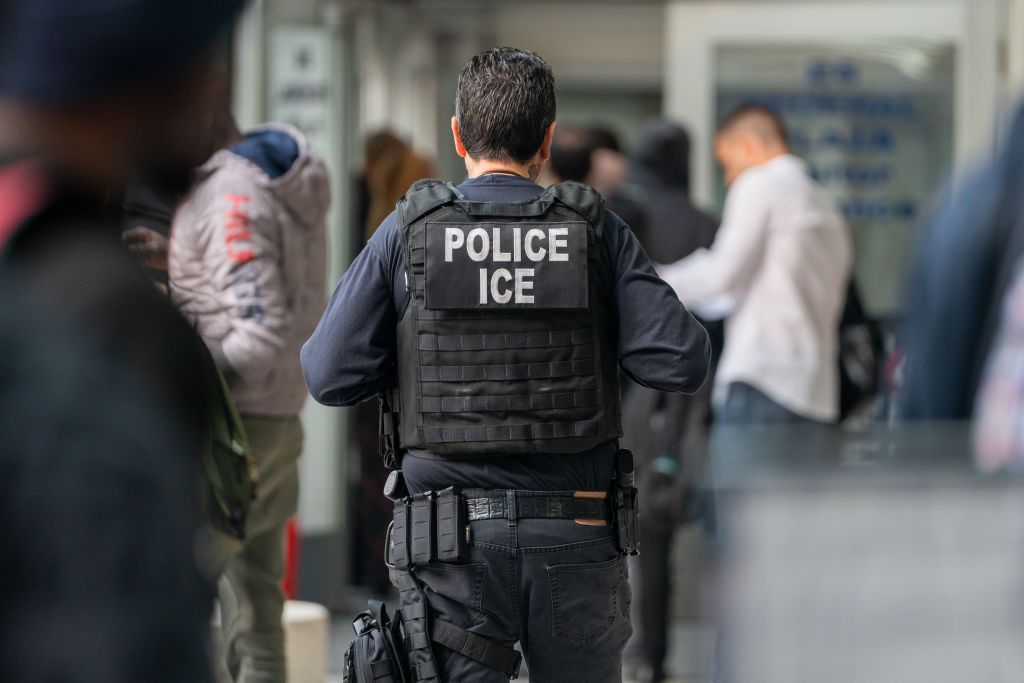
Texas Senate Bill 4 was passed in November 2023 and came into effect in May 2026. This bill lets police officers participate in immigration enforcement even though they are not trained the same way as federal agents are. It has opened up a way for police in Texas to detain people they believe are not citizens or legal permanent residents, and people they suspect may have illegally entered from Mexico or another country. Additionally, police officers aren’t the only ones being allowed to enforce immigration laws without training; Texas judges will also be allowed to interpret immigration laws and “ order individuals deported under certain circumstances ”. While unlawful entry has been considered a criminal offense since 1929, it was largely criminalized on the federal level; Texas is the first to try to create a state-level crime for unlawful entry into the state from a foreign nation, allowing for state and local prosecution of the conduct. It is trying to directly recreate the federal crime in 8 U.S. Code § 1325 at the state level. People who have received a deportation order from the state of Texas and fail to leave the U.S. may be faced with up to 20 years in prison. Under this new policy, police officers may feel more empowered to ask people about their immigration status, in this situation, it’s important to remember that everyone has the right to remain silent, regardless of immigration status. If you are afraid that your answer to a question could be used against you, you should let the officer know that you are exercising your 5th amendment right to remain silent; you should never lie or present any false information to an officer— this includes your name, date of birth, or address. You should also keep in mind that there are areas where officers are not allowed to enforce this immigration policy; those include pre-k through high school, places of worship, and health care facilities (including those involved in the SAFE program). Places of higher education, such as colleges and universities, graduate schools, and trade schools, are not protected from immigration enforcement. While officers will be allowed to ask questions relating to immigration status during traffic stops, they will not be allowed to stop and question you just because they suspect you entered illegally. For example, if you are pulled over for speeding, expired registration, or any other traffic violation, officers may ask questions about immigration status during the stop, but they cannot initiate or extend the stop solely to enforce immigration laws if there is no separate offense or independent legal basis for the detention. If you are approached by an officer in a public place, you may ask whether you are being detained or are free to go, and you may leave if you are not being detained. Individuals arrested under SB4 will be processed using the current Texas criminal procedure rules governing bail. After an arrest, a judge is required to set bond in accordance with Texas law, considering factors such as flight risk, public safety, and likelihood of appearing in court. Immigration status alone does not automatically make a person ineligible for bond or result in mandatory detention. However, immigration-related circumstances may be considered by the court as part of the overall assessment when setting the type and amount of bond or deciding conditions of release. An ICE detainer does not change whether a person is eligible for bond under Texas law and does not replace a judge’s bond decision. This is the official version of Senate Bill 4 (SB 4) as it was passed into law by the Texas Legislature. Immigration enforcement laws and their application can vary depending on the specific facts of each case; because of this, individuals affected by SB 4 should seek advice from qualified immigration and criminal defense attorneys. An attorney can evaluate how the law may apply to your particular circumstances, explain your rights and risks, and help you understand any potential consequences related to detention, bond, or removal proceedings. Call the Law Office of Phan Nguyen at 469-465-2344. We are here Monday through Friday, 9:00 AM to 6:00 PM. You can also visit us at nguyen-legal.com to book a consultation. You don't have to face this alone. We are here for you. Disclaimer: This is not legal advice. The information provided is for general informational purposes only. Immigration laws and enforcement priorities can change rapidly. For advice specific to your situation, please consult with a licensed immigration attorney at the Law Office of Phan Nguyen — call 469-465-2344 or visit nguyen-legal.com.
